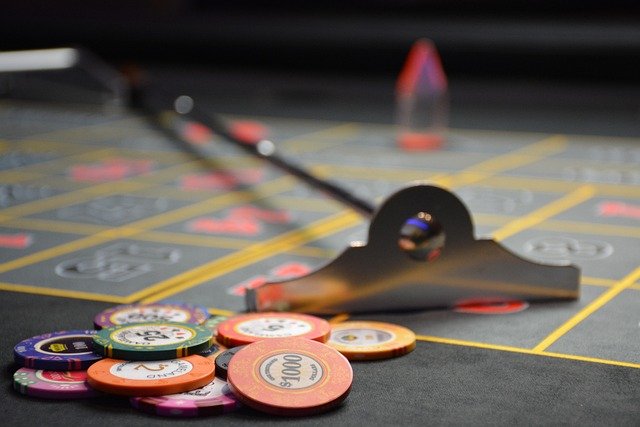
Poker is not just a card game — it’s a psychological battlefield where every decision, every expression, and every hesitation can reveal something valuable. While most beginners focus only on cards and math, professionals know the true secret to winning poker lies in psychology — understanding both your opponents’ minds and your own.
In this article, we’ll dive into the psychological principles that define successful poker play, including emotional control, reading tells, and maintaining the perfect poker mindset.
1. The Mental Foundation of Poker
Poker combines probability, skill, and emotion. Your ability to think clearly while under pressure determines your edge.
In a single session, you’ll experience excitement, frustration, hope, and fear — all emotions that can cloud judgment.
The best players train themselves to make rational decisions, not emotional ones. They treat poker like a business — analyzing risk, adapting strategy, and keeping emotions in check.
2. Reading Opponents – The Power of Observation
Great poker players are excellent observers. They don’t just look at the cards; they study people.
Common poker “tells” include:
- Body Language: Nervous hands or shaky movements can suggest a weak hand.
- Timing: Instant bets often signal strength; hesitation can indicate doubt.
- Eye Contact: Avoiding eye contact after betting big might suggest a bluff.
- Bet Size: Unusually large bets may be designed to scare opponents into folding.
However, in online poker, physical tells are replaced by betting patterns, timing, and chat behavior. Smart players adapt their observation skills to both settings.
3. Emotional Control – The Difference Between Good and Great
Poker is a game of patience. Losing players often fall into the trap of tilt — a mental state of frustration that leads to reckless bets.
To master emotional control:
- Accept losses as part of the game.
- Take short breaks when angry or distracted.
- Avoid alcohol or fatigue during play.
- Remember that every decision is independent — don’t let one bad beat ruin your session.
Professional players maintain calm focus regardless of outcomes. That’s what gives them long-term success.
4. Bluffing Psychology – The Art of Deception
Bluffing is not just luck — it’s emotional manipulation. You’re telling a story through your bets and behavior. The key is consistency: every move must make sense within your betting pattern.
Effective bluffs depend on:
- Opponent Type: Bluff more against cautious players, less against reckless ones.
- Board Texture: Bluffs work best when the community cards create plausible strong hands.
- Timing: The later in the hand you bluff, the more believable it becomes.
A successful bluff isn’t about tricking your opponent; it’s about making them believe your story.
5. The Role of Confidence
Confidence makes your opponents doubt themselves. When you play assertively, others subconsciously assume you know something they don’t.
However, there’s a thin line between confidence and arrogance. Overconfidence leads to poor calls and big losses. Stay confident in your plan — not in your luck.
6. Managing Pressure
Poker tournaments are intense environments. The pressure increases as blinds rise and chips shrink.
To handle pressure:
- Focus on process, not outcome.
- Stick to your pre-defined strategy.
- Avoid comparing your stack to others.
Calmness under pressure gives you clarity while your opponents panic.
Conclusion
Poker psychology is the art of controlling both your own emotions and your opponents’. Once you master emotional balance, reading tells, and bluff timing, you’ll transform from a card player into a true strategist.
In poker — as in life — it’s not the cards you’re dealt, but how you play them that defines your success.
11 thoughts on “The Psychology of Poker – Understanding the Mind Game Behind the Cards”
Comments are closed.